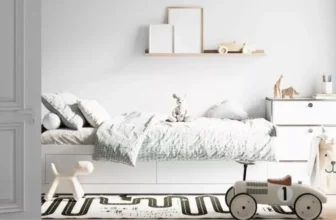
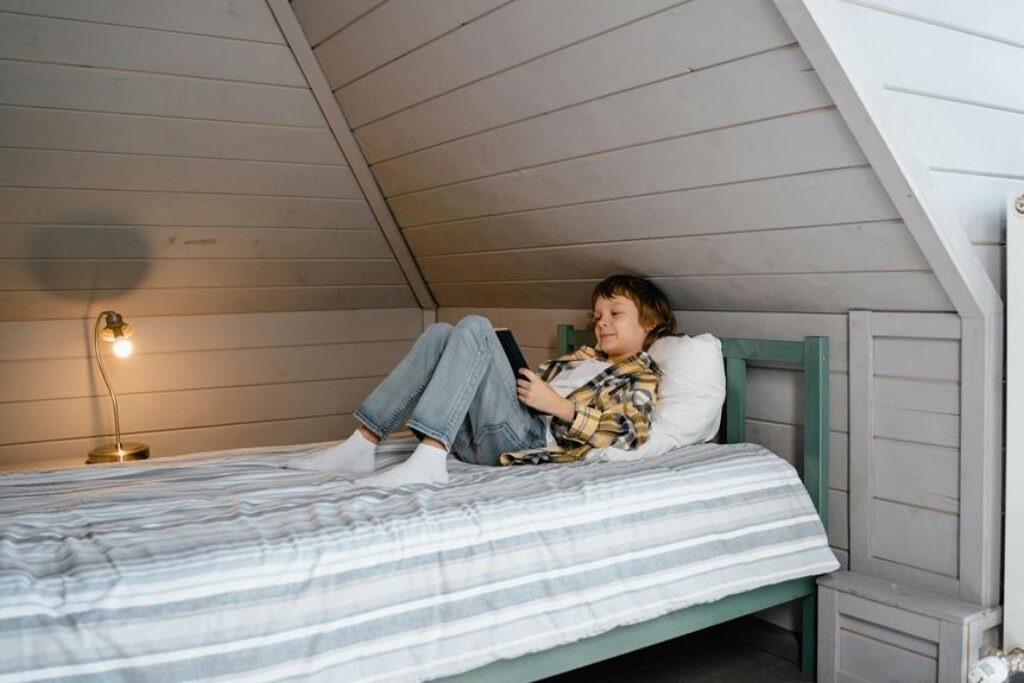
When it comes to creating a space that can adapt alongside your child, there are key considerations to keep in mind. From furniture choices that offer versatility to incorporating personal touches that reflect their evolving interests, the design process is crucial. But how do you ensure that the space remains functional and engaging as your child grows? Let’s explore some essential strategies to help you navigate this dynamic design journey.
Planning for Long-Term Functionality
When designing a space that grows with your child, ensure long-term functionality by considering versatile furniture and adaptable storage solutions. Think about furniture pieces that can serve multiple purposes as your child ages. For example, a crib that converts into a toddler bed, or a changing table that transforms into a dresser. These versatile pieces will save you money in the long run and prevent the need for frequent furniture replacements.
Additionally, focus on adaptable storage solutions that can accommodate your child’s changing needs. Opt for storage bins that can easily be rearranged, shelves that can be adjusted in height, or modular storage units that can be reconfigured as your child’s belongings evolve. This flexibility will allow you to optimize the space in the room and keep it organized as your child grows.
Versatile Furniture Selection
To ensure your child’s space grows with them seamlessly, focus on selecting versatile furniture that can adapt to their changing needs effortlessly. Look for furniture pieces that serve multiple functions, such as a bunk bed with a desk underneath or a storage ottoman that can also be used as seating. These dual-purpose items maximize space and provide flexibility as your child’s interests and activities evolve.
Consider investing in adjustable furniture, like a height-adjustable desk or a crib that can be transformed into a toddler bed. This way, you can easily modify the furniture to suit your child’s age and requirements without having to replace the entire piece.
Additionally, opt for furniture with timeless designs and neutral colors that can easily transition from a nursery to a teenager’s room. This approach ensures that the furniture will remain stylish and relevant as your child grows older, saving you from frequent updates and replacements. By choosing versatile furniture wisely, you can create a space that adapts to your child’s changing needs while maintaining functionality and style.
Personalization and Flexibility
Consider incorporating elements of personalization and flexibility into your child’s space to enhance their sense of ownership and adaptability as they grow. Personalization allows your child to express their individuality in their space. This can be achieved through customizing the decor with their favorite colors, patterns, and themes. You can involve them in the decision-making process to ensure that the space reflects their personality and interests.
Flexibility is key in creating a space that can evolve with your child. Choose furniture and storage solutions that can be easily reconfigured or repurposed as your child’s needs change. Opt for modular furniture pieces that can adapt to different layouts or functions over time. Additionally, consider using multipurpose items that serve dual functions to maximize space efficiency.
Adapting to Changing Needs
To ensure your child’s space remains functional and comfortable as they grow, it’s vital to adapt to their changing needs seamlessly. One way to achieve this is by choosing furniture and decor that can easily evolve with your child. Opt for pieces that are versatile and can be repurposed or adjusted as your child’s requirements change. For example, a crib that can later convert into a toddler bed or a desk that can be raised as your child grows taller.
Another important aspect of adapting to your child’s changing needs is to incorporate storage solutions that can accommodate their evolving interests and belongings. Consider using modular storage units that can be rearranged or added to as needed. This flexibility allows the space to grow along with your child’s hobbies and activities.
Furthermore, don’t forget to regularly assess and reassess the layout and design of the room. As your child’s preferences and routines shift, you may need to make changes to optimize the space for their current needs. By staying attentive and open to adjustments, you can ensure that your child’s space remains a functional and welcoming environment throughout their growth.
Trending Products