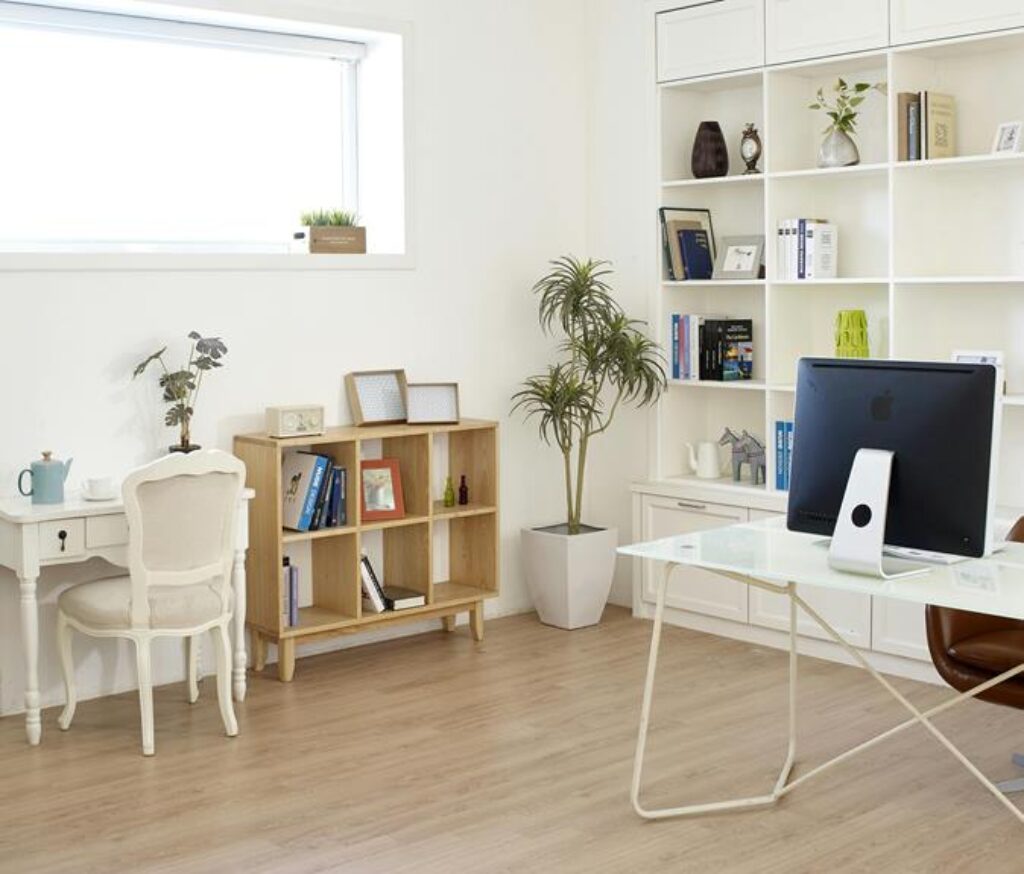
When setting up your home office, lighting is a crucial factor that can significantly impact your work environment. Proper lighting not only affects your productivity but also plays a role in your overall comfort. Imagine the difference it can make to have a well-lit workspace that minimizes eye strain and creates a pleasant atmosphere for your tasks. So, how can you ensure your home office is optimally lit to boost your efficiency and well-being? Let’s shed some light on the best practices for lighting your home office.
Importance of Proper Lighting
Proper lighting is key to creating a productive and comfortable home office environment. When setting up your workspace, ensure that your lighting is sufficient to prevent eye strain and fatigue. Natural light is ideal, so try to position your desk near a window. If natural light is limited, supplement it with ambient lighting to reduce harsh shadows and create a well-lit room.
Aim for a balance of light sources to avoid glare and ensure even illumination. Overhead lighting can be complemented by task lighting, such as a desk lamp, to provide focused brightness for reading and writing. Adjustable lights are beneficial as they allow you to customize the lighting based on your tasks throughout the day.
Consider the color temperature of your bulbs as well. Cooler temperatures are energizing and can enhance focus, while warmer tones promote relaxation. Experiment with different lighting options to find what works best for your productivity and comfort in your home office setup.
Types of Lighting Fixtures
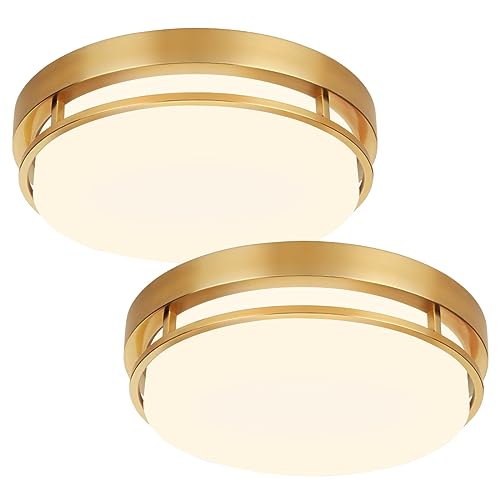
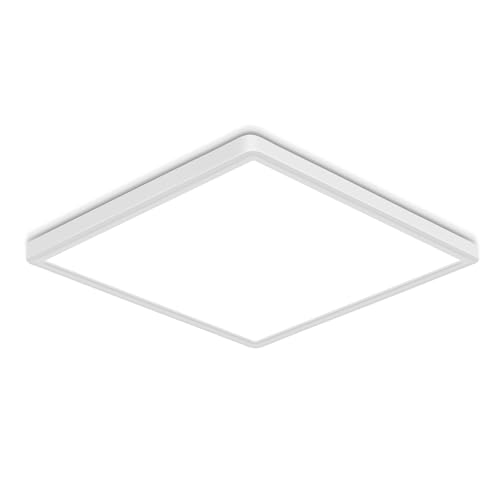
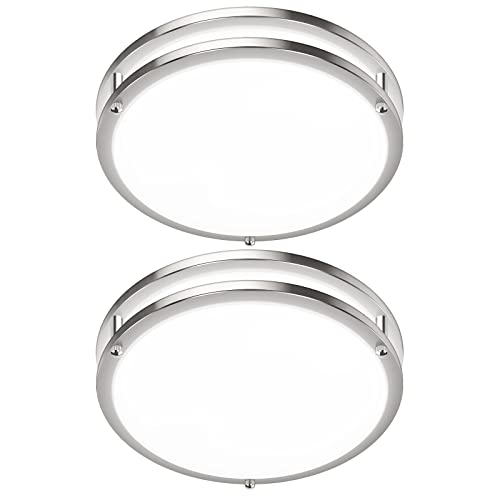
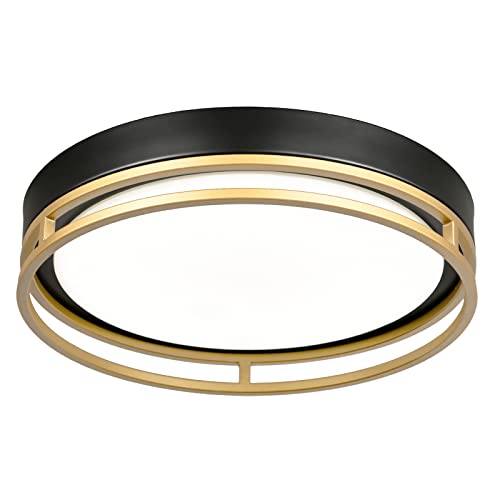
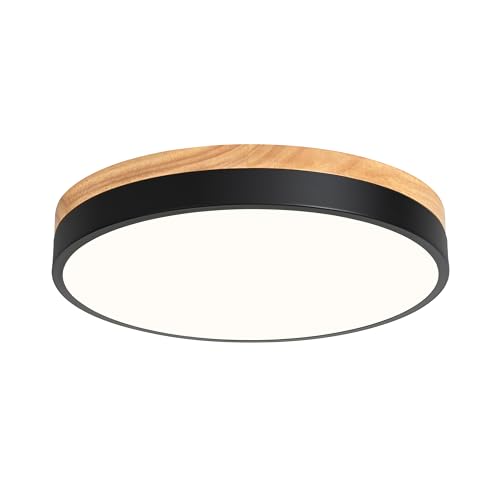
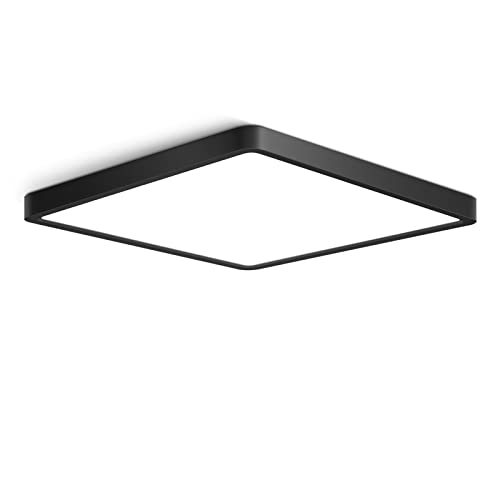
To effectively light your home office, consider the various types of lighting fixtures available to create a well-lit and comfortable workspace. Start by incorporating overhead lighting, such as ceiling-mounted fixtures or recessed lighting, to provide general illumination throughout the room.
Desk lamps are essential for task lighting, directing focused light onto your work surface to reduce eye strain and increase productivity. Floor lamps can add ambient lighting and fill any dark corners, creating a cozy atmosphere.
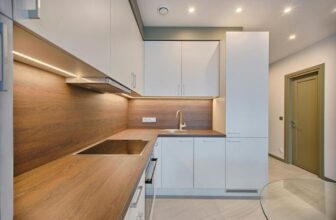
Under cabinet lighting is perfect for illuminating specific work areas, like countertops or shelves, enhancing visibility and reducing shadows. Consider wall sconces for a stylish and space-saving lighting option that can also contribute to ambient or task lighting.
Additionally, adjustable lighting fixtures, like track lighting or pendant lights, offer flexibility in directing light where needed. By combining these different types of lighting fixtures strategically, you can achieve a well-balanced and functional lighting setup in your home office.
Positioning Lights for Optimal Illumination
Position your lighting fixtures strategically to ensure optimal illumination in your home office. Start by placing your primary light source, such as a ceiling fixture or a pendant light, in the center of the room to provide overall brightness.
Supplement this with task lighting, like a desk lamp or under cabinet lights, to illuminate specific work areas. Position task lights to the side of your dominant hand to reduce shadows while you work. Consider using adjustable desk lamps that can be angled to direct light where needed.
Additionally, incorporate ambient lighting through floor lamps or wall sconces to create a warm and inviting atmosphere. Avoid positioning lights directly above computer screens to prevent glare and eye strain.
Experiment with different light placements to find the right balance between brightness and comfort. By strategically placing your lighting fixtures, you can enhance productivity and create a well-lit workspace conducive to focus and creativity.
Creating a Comfortable Workspace
For an ergonomic and inviting workspace, prioritize the arrangement of your furniture and consider the comfort of your seating. Begin by positioning your desk in a way that allows for natural light to flow in without causing glare on your computer screen. This not only helps reduce eye strain but also creates a more pleasant atmosphere.
Ensure that your chair provides proper support for your back, with adjustable height and lumbar support if possible. Your feet should rest flat on the floor, and your arms should be at a comfortable angle when typing. Additionally, add personal touches like plants or artwork to make the space feel more welcoming.
Keep the area organized and clutter-free to promote focus and productivity. Consider investing in a standing desk or ergonomic accessories to vary your posture throughout the day. By creating a comfortable workspace tailored to your needs, you can enhance your efficiency and well-being while working from home.
Trending Products